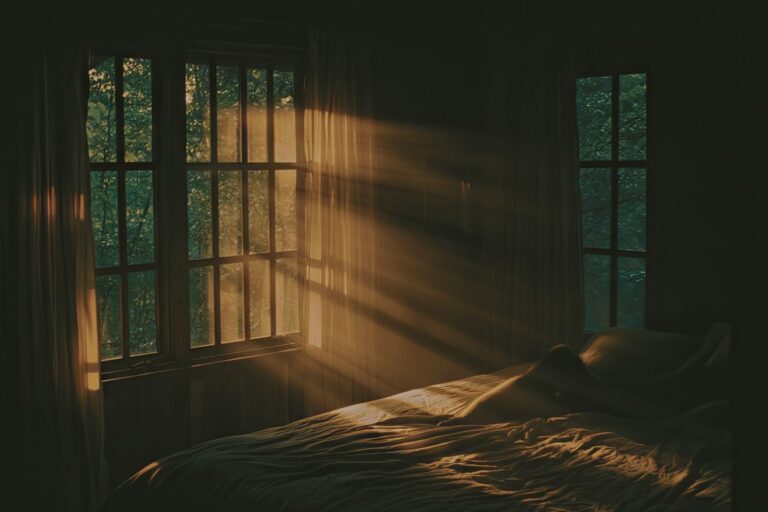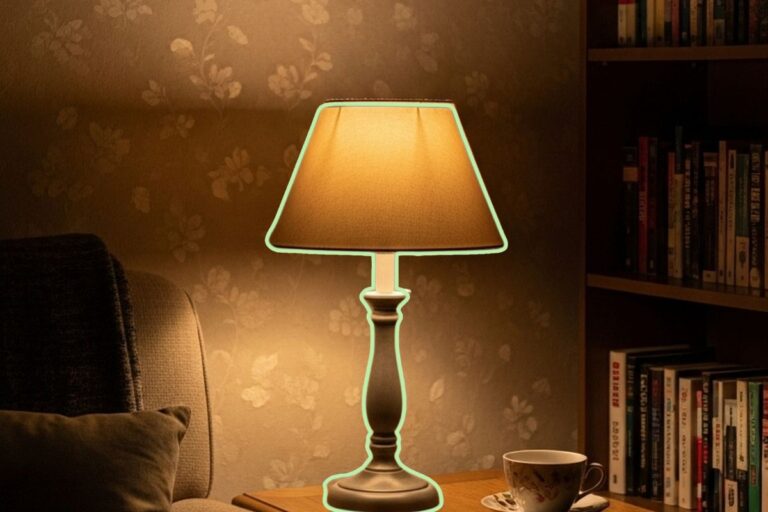
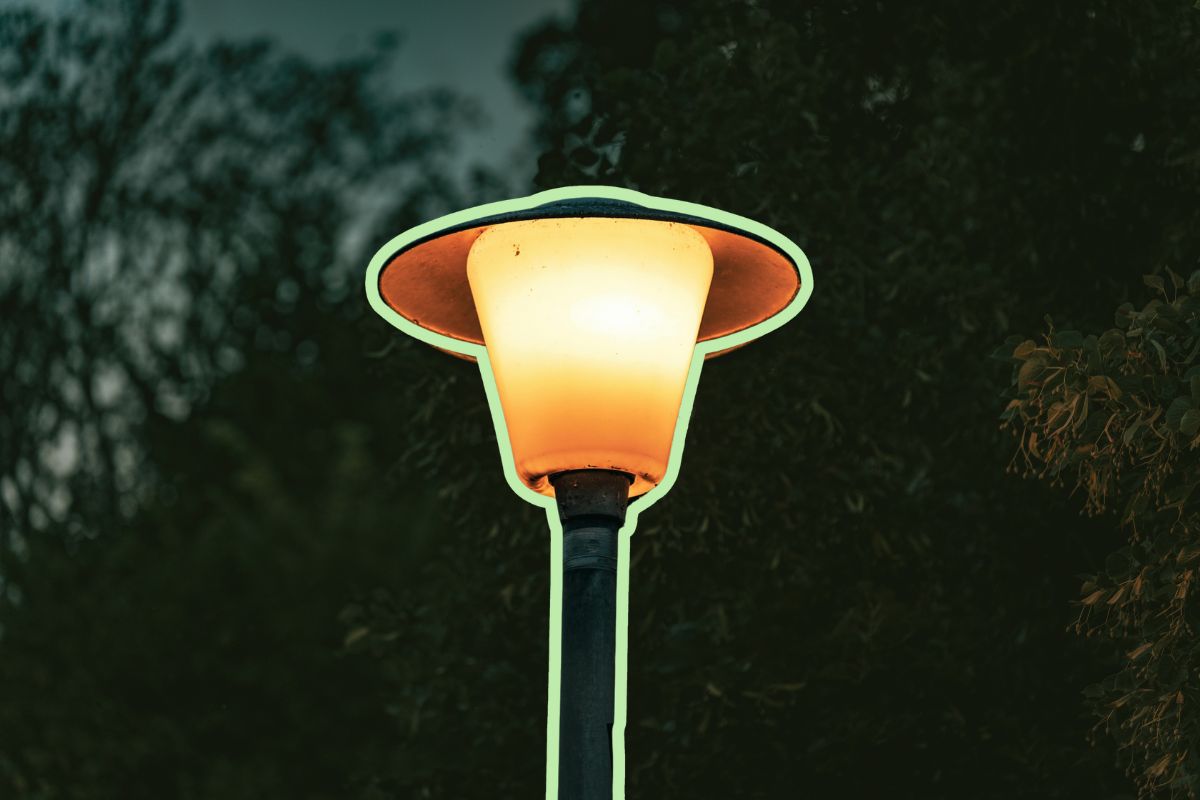
Light is a biological signal, not just illumination. The human relationship with light is older than language, older than architecture, older than most of what we consider modern life. Long before light became something we switched on, it was something the body read. Morning light signaled safety and activity. Evening dimness signaled rest. Over thousands of years, this predictable pattern shaped the circadian rhythms that still govern the human body today.
This internal timing system is often described as a biological clock, but it behaves more like a conversation than a countdown. Light enters the eyes and is interpreted by the circadian system as information. Not brightness alone, but timing. When light appears, when it fades, and how long it lingers all help set the internal clock that coordinates sleep, hormone release, temperature, and alertness across the day.
Natural light follows a steady rhythm. Daylight hours arrive gradually, peak, and then recede. Artificial light changes that pattern in subtle ways. It extends the day into hours that were once reliably dark. It appears suddenly instead of gradually. And over time, this alters timing more than intensity. The system responds not because the light is harsh, but because it is present at moments when the body does not expect it.
Each exposure feels small. A lamp in the early morning. Overhead lighting at night. Screens glowing during quiet hours. None of these moments seem disruptive on their own. NIH’s overview of circadian rhythms explains how the circadian system responds to patterns, not isolated events. When light consistently appears outside the body’s expected window, the biological clock begins to drift. Sleep timing shifts. Hormonal signals soften or delay. The change is gradual enough that it often goes unnoticed.
The body keeps time long before the mind thinks about it.
This is why artificial light affects the body even when we feel fine. The system does not rely on conscious awareness. It responds automatically, continuously, and faithfully to the signals it receives. Understanding this reframes the conversation. Light is not just illumination. It is instruction.
Internal link opportunities:
Circadian rhythm foundations (pillar)
Seasonal living overview (future)
How the Body Tells Time: The Circadian Clock and the Brain
The body does not check the time in the way we do. It does not read clocks or follow schedules. Instead, it keeps its own rhythm through a central timing system that quietly coordinates daily life beneath awareness. This system allows thousands of biological processes to rise and fall in an organized 24-hour cycle, even when daily routines change.
The Suprachiasmatic Nucleus and the Body Clock
At the center of this timing system is a small cluster of neurons called the suprachiasmatic nucleus, often shortened to SCN. It sits deep in the brain within the hypothalamus, an area already responsible for balance, regulation, and survival rhythms. Despite its size, the SCN acts as the master body clock, synchronizing the circadian clock that governs the sleep-wake cycle, hormone signaling, digestion, alertness, and core body temperature.
Rather than controlling each process directly, the SCN functions like a conductor. It sends timing cues throughout the body so that different systems know when to activate and when to rest. Cortisol rises toward morning. Melatonin waits until night. Body temperature shifts slightly across the day. These changes happen predictably when the system is well aligned.
Light is the primary signal that keeps this clock accurate. When light reaches the brain, the suprachiasmatic nucleus uses that information to confirm whether it is morning, midday, or night. In this way, light acts as a daily reset. It does not force the clock forward or backward. It simply tells the system where it is within the 24-hour cycle.
This system works quietly, even when we forget it’s there.
This is where hormones enter the picture. The SCN does not release hormones itself, but it controls the timing of their release by coordinating communication between the brain and endocrine system. Light exposure helps determine when certain hormones rise, fall, or pause. This connection is subtle, but it sets the stage for how hormone balance is maintained or disrupted over time.
How Light Reaches the Clock
The path between light and the circadian clock does not depend on vision. The body does not need to recognize objects, colors, or images for light to influence timing. Instead, a specialized group of cells in the eye called photosensitive retinal ganglion cells handle this task.
These cells are distinct from those used for sight. They do not help us read, drive, or see detail. Their role is to detect overall light intensity and relay timing information directly to the brain. These cells are especially responsive to blue light exposure, which is abundant in daylight and also common in many modern light sources. How and when we encounter this light matters more than most people realize (link blue light article here).
When these cells sense light, they send signals straight to the suprachiasmatic nucleus. The message is very simple: it is day, or it is not. This pathway explains why light can affect sleep and hormones even when eyes are closed, even when screens are glanced at briefly, and even when the light does not feel bright.
“The eyes notice light even when we are not looking at anything in particular.”
Because this system evolved under consistent exposure to natural light, it is highly sensitive to timing. Morning light strengthens the clock. Evening light delays it. Light at unexpected hours confuses the signal. Over time, repeated exposure to artificial light outside natural windows changes how reliably the circadian clock keeps time.
This process is not dramatic. It unfolds gradually. Small shifts accumulate. The body adapts, but adaptation often comes with tradeoffs in sleep quality, hormone timing, and overall regulation.
Keywords woven: photosensitive retinal ganglion cells, blue light exposure, light sources, light intensity
Optional outbound reference:
Harvard Medical School research on circadian lighting
Hormones That Respond to Light Exposure
Light does not influence hormones in a dramatic or immediate way. It works quietly, through timing. Certain hormones rise or fall based on signals the body associates with day and night, and light is the most consistent of those signals.
Over time, changes in light exposure adjust when these hormones are released, how long they remain active, and how clearly the body can interpret its own rhythms. This is why artificial light affects hormone balance indirectly, by altering the context in which hormonal signals are sent.
“This is easy to miss, because nothing feels disrupted at first.”
Melatonin and the Pineal Gland
Melatonin production is one of the clearest examples of how light shapes hormonal timing. Often referred to as the sleep hormone, melatonin is not a sedative. It is a signal. Its release tells the body that night has arrived.
Melatonin is produced by the pineal gland, a small structure deep in the brain that responds to information coming from the circadian clock. As evening light fades, the pineal gland begins the secretion of melatonin, preparing the nervous system for rest, repair, and overnight regulation.
Artificial light exposure after sunset interferes with this process. Even modest indoor lighting can suppress the release of melatonin, especially light rich in shorter wavelengths. When this suppression happens regularly, melatonin levels may rise later in the night or remain lower overall, changing how the body experiences sleep.
Sleep may still happen, but it often feels lighter, less restorative, or poorly timed. Over time, this affects sleep quality and alters familiar sleep patterns, even when total hours in bed remain the same.
“The body expects darkness before it expects sleep.”
Internal link opportunity: Sleep support article
Internal link opportunity: Evening lighting mistakes article
Cortisol, Energy, and the Start of the Day
While melatonin signals night, cortisol helps signal day. Cortisol levels naturally rise in the early morning hours, supporting alertness, focus, and the transition into activity.
This rise is closely linked to light. Exposure to natural sunlight shortly after waking helps anchor cortisol release to the beginning of the day. This is one reason outdoor morning light often feels different from indoor mornings, even when we are awake and active.
When mornings are consistently dim, or when bright light appears late at night instead, the timing of cortisol can shift. Energy may feel delayed, uneven, or disconnected from the actual demands of the day. Over time, this influences energy levels, stress levels, and mental clarity.
Rather than creating constant stress, these shifts tend to blur the boundaries between day and night. The system still responds, but with less precision.
“The body notices when the start of the day no longer feels clear.”
Artificial Light at Night and the Sleep–Wake Cycle
The sleep–wake cycle depends on contrast. Day feels bright. Night feels quiet and dim. When that contrast softens, the body does not receive a clear signal that one phase has ended and another has begun.
Artificial light exposure at night does not usually arrive all at once. It appears in small extensions. Lamps turned on earlier in the evening. Screens that glow a little longer. Rooms that stay evenly lit well past sunset. Over time, electric light stretches the day beyond what the circadian system expects.
These are the late evenings that do not feel like night. The light is gentle, familiar, and easy to ignore. Yet artificial lighting at the edges of the day delays sleep onset by pushing back the internal sense of night. Melatonin rises later. The nervous system stays alert longer. The body remains in a state of partial readiness.
“Each evening stretches a little longer than the body expects.”
When this pattern repeats, sleep patterns begin to shift. Falling asleep takes longer. Sleep feels lighter. Waking feels less complete. None of this feels urgent in isolation, but sleep deprivation tends to accumulate quietly, often noticed only when energy, mood, or resilience begin to change.
Light pollution inside the home mirrors what happens outdoors in cities. Night is still present, but it no longer feels distinct. The system adapts, though not without cost.
Internal link opportunity: Evening routine article
Internal link opportunity: Bedroom lighting guide
Optional outbound source: Cleveland Clinic overview on sleep and circadian rhythm
Types of Artificial Light and Their Different Effects
The circadian system responds not only to how much light is present, but to the type of light reaching the eyes. Two rooms can feel equally bright, yet the nervous system reads them very differently.
Artificial blue light carries a strong timing signal. It closely resembles midday sky light, which is why it is effective for alertness and visibility. When this spectrum appears late in the day, it can confuse the internal sense of time, signaling daytime at hours the body expects to be winding down.
Longer wavelengths, including amber and red tones, behave differently. They carry less circadian weight. The system registers their presence without interpreting them as a call to wakefulness. This difference explains why some lighting feels sharp and activating, while other light settles quietly into the background.
White light deserves its own distinction. What we experience as white is a blend of wavelengths, not a neutral signal. The balance within that blend matters. Cooler white light tends to contain more blue energy. Warmer white light leans toward longer wavelengths, often reading as gentler to the nervous system, especially in the evening.
Traditional incandescent bulbs emitted light across a broader spectrum with a natural warmth. They brightened spaces without heavily stimulating the circadian system after sunset. Many modern lighting options behave differently. Fluorescent lights and light-emitting diodes concentrate their output into narrower bands, often with a stronger blue component.
These differences become more noticeable when light is experienced room by room, where timing, function, and atmosphere intersect (explored further in our room-by-room guide to circadian-friendly lighting).
In the modern world, exposure to these light sources is nearly constant. Homes, offices, streets, and devices share similar spectral profiles. Over time, this consistency reduces the contrast the circadian system relies on to separate day from night.
“Not all light feels the same to the nervous system.”
Understanding these differences creates context. It allows later choices to feel grounded rather than reactive.
Long-Term Health Effects Linked to Disrupted Light Rhythms
Light does not act on a single system in isolation. Over time, repeated signals shape how the body coordinates energy use, repair, and rest. When light rhythms drift far from the patterns the circadian system expects, those changes tend to appear gradually, often long before they are named as a circadian issue.
These systems are shaped not only by daily light exposure, but by seasonal shifts in daylight across the year. As day length shortens and expands, the circadian system adjusts its expectations, influencing mood, energy, and hormonal timing. This broader rhythm is explored more fully in our guide to seasonal living (SEASONAL LIVING LINK HERE).
Metabolic, Cardiovascular, and Hormonal Patterns
Research consistently links circadian disruption to shifts in physiological processes that regulate metabolism and cardiovascular function. These patterns do not emerge overnight. They develop quietly, through repeated mismatches between light exposure and the body’s internal timing.
Disrupted light rhythms have been associated with metabolic syndrome, including changes in glucose regulation and appetite signaling. Similar timing misalignments appear in studies examining heart disease and broader cardiovascular disease, particularly in populations exposed to irregular light schedules over many years.
Hormones are part of this picture as well. When the circadian system struggles to maintain a stable rhythm, hormone levels can lose their usual daily rise and fall. Over time, this blunting or shifting of hormonal patterns affects how the body allocates energy, manages inflammation, and recovers during rest.
These associations are not about a single light source or one late night. They reflect what happens when the internal clock rarely receives clear signals about when day begins and ends.
Mental Health, Mood, and Seasonal Patterns
Mood and cognition are closely tied to light exposure, especially across seasons. Seasonal affective disorder is the most recognized example, but it exists on a spectrum. Many people notice subtle changes in mental health, focus, or motivation as daylight shortens or indoor living increases.
Light influences cognitive function by shaping alertness, emotional regulation, and the timing of restorative sleep. When natural daylight is scarce, especially during winter months, the system receives fewer strong “daytime” cues. This is where light therapy appears in research as context, not as a cure, supporting the idea that timing and intensity of light matter when natural exposure is limited.
“The system evolved outdoors, even though modern life rarely is.”
Broader environmental shifts play a role as well. Climate change, urban design, and modern work patterns have reduced daily contact with the natural world, increasing reliance on artificial light to define time.
Optional outbound sources:
NIH overview of Seasonal Affective Disorder
Harvard Health on light therapy and mood
Night Shift, Jet Lag, and Modern Schedules
Some bodies are asked to adapt more aggressively than others. Shift workers and frequent travelers experience repeated conflict between work time and the biological clock. Jet lag offers a familiar example of how disorienting sudden light shifts can feel, both mentally and physically.
In these cases, the issue is not discipline or resilience. It is timing. The daily rhythm depends on patterns it can trust. When light cues change too quickly or too often, the system adjusts slowly, sometimes incompletely.
Each exposure may seem minor. Together, these small changes shape long-term rhythm.
What the Research Shows — and What It Cannot Yet Answer
Scientific interest in light exposure and circadian health has grown steadily over the last few decades. There are lots of studies, and many point in the same general direction. Still, this is an area where careful reading matters as much as the findings themselves.
Many recent studies rely on observational data or relatively small cohort size. These designs are valuable for identifying patterns, but they cannot fully explain cause and effect. Associations appear between artificial light exposure, sleep disruption, and shifts in hormone signaling, yet the exact pathways often remain partially understood.
Research examining breast cancer is a clear example of this caution. Several previous studies, including one from NIH, have noted higher incidence rates in populations exposed to long-term night-time light, particularly among shift workers. At the same time, these findings sit alongside complex variables such as genetics, lifestyle, and work-related stress. The research suggests correlation, not certainty.
Another limitation comes from the models used. A significant portion of circadian research is conducted on particular species whose light sensitivity differs from that of human beings. Animal studies offer insight into biological mechanisms, but translating those findings into human recommendations takes time and repeated confirmation.
“This is an area where certainty grows slowly.”
Because of these limits, public health guidance remains measured. Recommendations focus on supporting natural light exposure during the day and reducing unnecessary brightness at night, rather than issuing strict thresholds or universal rules. This cautious approach reflects the current state of research on artificial light at night and long-term disease risk. The science continues to evolve, and with it, a clearer understanding of how light shapes long-term health.
The Good News: The Body Responds to Light Changes
The encouraging part of this conversation is how responsive the circadian system remains, even after years of mixed signals. The good news is not that the body can be reset quickly, but that it continues to listen.
The circadian system adapts through repetition. When light levels begin to follow a clearer pattern across the day, the internal clock adjusts gradually. Nothing dramatic needs to happen. Small shifts in daily life are often enough for the system to recalibrate over time.
Changes that seem ordinary still register. Stepping outside earlier in the day, allowing evenings to dim, or pairing daylight with gentle physical activity helps reinforce timing signals the body already understands. Exposure to natural light also supports vitamin D production, which ties light back to broader physiological rhythms beyond sleep alone.
“The system responds when the signals become clearer.”
The best thing is not precision, optimization, or control. It is consistency. When light begins to align more closely with the shape of the day, the body does not need instructions. It recognizes the pattern and responds in its own time.
Internal links:
Morning sunlight rituals
Seasonal rhythm reset
You asked, we answered
Light, Hormones, and Health
Clear answers to common questions about how light shapes sleep, energy, and internal timing.