For most of human history, light was not something we adjusted. It arrived with the sun, softened at dusk, flickered by fire, and disappeared into darkness. The body learned the day through those shifts. Waking, eating, resting, and sleeping followed the light almost without thought.
The circadian rhythm developed inside that steady pattern. It is an internal clock shaped by the natural light of the day–night cycle, not by preference or productivity. Long before switches and screens, the body already knew how to keep time.
Artificial lighting changed that relationship quietly. Most disruption does not come from obvious extremes, but from ordinary indoor days. Mornings spent under dim ceilings. Evenings extended by bright rooms that feel nothing like night. The body still expects the same cues, even when they arrive late or not at all.
Choosing light bulbs, then, is less about improvement and more about context. It is a way of restoring signals the system recognizes. A way of letting the internal clock read the day with a little more clarity, inside a world that no longer follows the sun on its own.
Light used to arrive and leave on its own. Now we decide when day begins and ends.
How the Circadian System Reads Light Indoors
The circadian system does not respond to light the way the eyes do. Brightness, comfort, and aesthetics matter to the mind, but the biological clock is reading something else entirely. It pays attention to intensity, timing, and the wavelengths present in the light around us, even when that light feels subtle or familiar.
Inside the eye are specialized cells called intrinsically photosensitive retinal ganglion cells. Their role is not to help us see, but to relay information about light directly to the brain’s timekeeping centers. These cells act as messengers, translating the lighting environment into signals the nervous system uses to decide if it is morning, midday, or night.
This is where indoor lighting often becomes confusing for the body. Visual brightness does not always match biological impact. A room can feel softly lit while still delivering a strong circadian signal. This is because melanopic sensitivity—often measured as melanopic EDI—tracks how powerfully light influences circadian pathways, not how bright it appears to the naked eye.
Light rich in shorter wavelengths, especially cool or blue-leaning light, tends to signal daytime to the system. When that kind of light appears late in the day, the circadian clock receives mixed messages. The room may look calm, but the nervous system reads alertness.
Over time, this shifts how the body interprets evening and night. Indoor lighting stretches the day forward, sometimes without intention. The system adjusts, slowly and quietly, even when nothing feels overtly wrong.
The nervous system reads light long before the mind forms an opinion about it.
When people ask what color is best for circadian rhythm, the answer is rarely a single shade. The body responds to light in context—how strong it is, when it appears, and how closely it resembles daylight or dusk. Indoors, those cues matter more than we are taught to notice.
Optional reading for deeper context:
NIH overview of circadian rhythms
Harvard Health on light exposure and melatonin
Morning Spaces and Light That Signals Day
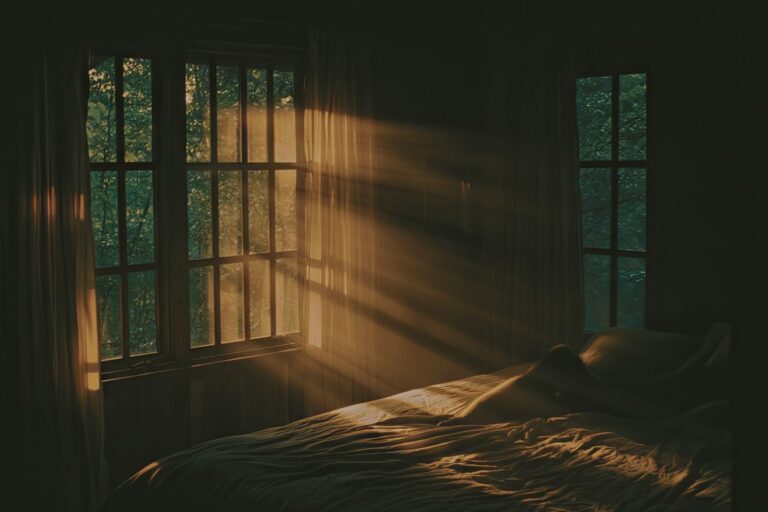
Morning light does not need to be dramatic to be effective. It simply needs to feel different from the hours that came before it. When the first rooms of the day carry enough brightness and clarity, the circadian clock begins to orient itself without conscious effort. This is especially noticeable in indoor mornings, where the body is waking before the sun has fully arrived—or before it can reach the room at all.
The body expects mornings to feel distinct.
Early Hours and Brighter, Cooler Light
In the early part of the day, higher light levels help anchor the sleep–wake cycle. Light with a cooler tone—often described as neutral or cool white—resembles the spectral quality of natural sunlight shortly after sunrise. This kind of light supports alertness not by stimulation, but by signaling that daytime has begun.
During winter months, this becomes more important. Shorter days and darker mornings mean the circadian system receives fewer strong cues from the environment. Indoor light, when used intentionally, can help restore that missing context. It does not replace sunlight, but it can reduce the sense of temporal blur that comes from waking in dim or shadowed spaces.
This is also where questions about which lights don’t disrupt circadian rhythm tend to surface. In the morning, disruption is less about color and more about insufficiency. Too little light leaves the system uncertain. Brighter, cooler light early in the day supports alignment rather than interference.
Best Light Bulbs for Kitchens and Morning Living Areas
Kitchens, dining areas, and primary living spaces often host the first moments of activity. These rooms benefit from light that feels clear and open rather than cozy or muted.
Bulbs in the 4000–5000K range tend to work well here, offering enough brightness to resemble daytime without the harshness often associated with commercial lighting. A high color rendering index (CRI) supports visual comfort, helping colors appear natural and reducing subtle visual strain as the day begins.
Perfection matters less than flexibility. Dimmable lighting allows the space to respond to the season, the weather, and the hour. On brighter mornings, electric light can step back. On darker ones, it quietly fills the gap.
When natural light is available, it should lead. Artificial lighting functions best as a supplement—supporting the body until daylight takes over, then receding into the background as the room brightens on its own.
Internal link opportunity:
Morning Light Exposure and Circadian Alignment
Daytime Light That Sustains Energy and Focus
Daytime is when the circadian system expects the strongest confirmation that it is awake, oriented, and safe to spend energy. This signal does not come from a single source. It builds gradually through brightness, consistency, and exposure that lasts long enough to register.
When that signal is weak, the body compensates. Focus requires more effort. Energy fluctuates instead of holding steady. Mood can feel thinner, even on days that are otherwise calm. This is not a failure of discipline or motivation. It is often a simple mismatch between what the system expects and what the environment provides.
Each change seems minor on its own. Taken together, they shape how the day is experienced in the body.
Why Indoor Days Often Feel Dim
Even on bright days, much of daily life now unfolds under light that never quite signals “day” to the body. Indoor lighting is designed for visibility and convenience, not for biological timing. Rooms feel adequately lit to the eye, yet the circadian system reads something else entirely.
The body expects daytime to arrive with intensity. Historically, daylight was abundant, overhead, and inescapable. Today, light often comes from below eye level, filtered through walls and ceilings, softened for comfort. Over time, this changes how alertness rises and falls across the day.
Screens complicate this further. A phone or laptop can emit more concentrated light than an entire room, but it arrives narrowly, late, and without the full spectrum the nervous system associates with being awake. The result is a strange mismatch: visual brightness without physiological clarity.
Brief outdoor exposure still matters. Even a few minutes outside recalibrates the system in ways indoor light rarely achieves. This is easy to overlook, yet the body notices the difference every time.
“Many days are brighter on screens than they are in the room.”
Home Office and Workspaces
Workspaces ask a great deal of the circadian system. Focus, emotional regulation, memory, and decision-making all draw from the same internal timing signals. When daytime light is insufficient or poorly timed, mental effort increases while clarity declines.
Brighter, neutral light during working hours supports the circadian clock’s understanding of “day.” This does not require harsh overhead lighting or constant intensity. It often means simply ensuring that the space reaches a level of light the nervous system can register as active time, especially in the morning and early afternoon.
For many people, adequate daytime light reduces the familiar mid-afternoon dip. Energy feels steadier. Focus holds longer. Mood stabilizes, which becomes especially relevant for those who experience seasonal affective disorder or low mood during darker months.
Light in workspaces does not need to be perfect. The system responds to patterns more than precision. A desk near a window, a brighter task light, or a consistent daytime lighting setup can all support cognition without turning the workday into a biological experiment.
“The body works best when the day actually feels like day.”
Evening Light That Allows the Day to Close
As daylight fades, the circadian system begins preparing the body for rest long before sleep arrives. This transition is subtle. It depends less on darkness itself and more on contrast — a noticeable shift from the brightness and clarity of the day into something quieter.
When indoor lighting remains unchanged into the evening, the body receives mixed signals. The clock does not stop working, but it struggles to interpret when the day is ending. Even small adjustments in tone and intensity can restore that sense of closure.
Each signal is modest. The body notices anyway.
Warmer Light and Longer Wavelengths
Evening light works best when it softens rather than disappears. Warmer tones contain fewer short wavelengths, which reduces blue light exposure at a time when the circadian system is beginning to release melatonin. This allows the nervous system to shift toward rest without forcing it.
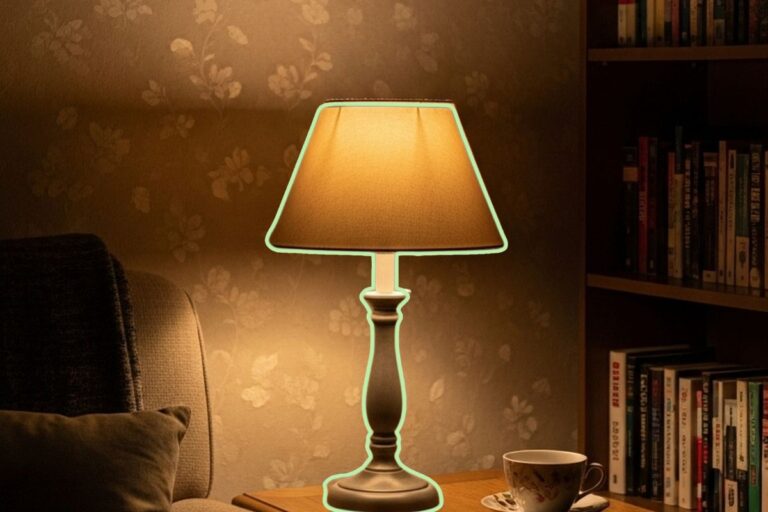
For most of human history, evenings were shaped by firelight — amber, uneven, and low to the ground. Incandescent and amber bulbs come closest to this spectrum. They do not imitate darkness, but they signal that the active part of the day has passed.
Evenings change tone when the light does.
Color temperature matters here more than brightness alone. A room can remain usable, readable, and welcoming while still allowing the circadian system to register that night is approaching.
Bedrooms and Nighttime Navigation
Bedrooms benefit from the least stimulation possible without becoming restrictive. Light used at night should support orientation, not wakefulness. Red light and very dim bulbs are useful for brief movement through the space because they have minimal impact on melatonin levels and the internal clock.
Overhead lighting after dusk often floods the room with unnecessary intensity. Lower, indirect light sources keep the environment legible while preserving the cues the body uses to stay in a resting state.
Less light, not zero light, tends to be the most sustainable approach. The goal is not perfect darkness, but continuity — allowing the night to feel like night, even when the lights are on.
Smart Bulbs, Full Spectrum, and Modern Options
Modern lighting promises precision. Schedules, color shifts, automation that responds without being asked. For a system as old as the circadian clock, this can feel both helpful and strangely mismatched.
The body does not need perfect control. It needs cues that arrive in the right order.
Smart Bulbs as Rhythm Support, Not Command
Smart bulbs can be useful when they reduce decision-making rather than add to it. Gentle brightening in the morning. Gradual warming as evening approaches. Lights that dim without demanding attention.
Trouble tends to arise when automation overrides the natural sequence. Artificial sunsets at noon. Bright evenings that stretch late because the system allows it. The nervous system reads these signals literally.
Each adjustment may seem minor on its own.
When smart lighting follows the arc of the day — not personal productivity goals — it can quietly reinforce rhythm rather than disrupt it.
Keywords to weave naturally: smart bulbs, smart lighting, circadian lighting systems
Full Spectrum Light and the Illusion of Sunlight Indoors
“Full spectrum” suggests completeness, but the term covers a wide range of products. Some approximate daylight more closely than others. Many simply broaden visible color without addressing the wavelengths the circadian system actually responds to.
Brightness still matters. Timing matters more.
No bulb replaces natural sunlight. At best, artificial light fills gaps created by indoor living, darker seasons, or constrained schedules. Used thoughtfully, it can support steadier energy during daytime hours. Used indiscriminately, it can blur the edges of the day.
The body responds less to labels than to exposure.
When Modern Options Are Most Helpful
Technology tends to work best as scaffolding — temporary, supportive, and responsive to real constraints. Long winters. Urban environments. Early work hours. Cloudy stretches where the day feels muted.
In these moments, smart lighting and full-spectrum bulbs can help restore contrast: brighter days, softer nights. Not perfection. Just enough signal for the system to recognize time passing again.
Seasonal Adjustments and Real Life Constraints
Circadian rhythm does not unfold in a vacuum. Geography, work demands, and seasons all shape the light the body receives. The system adapts to these realities quietly, often without complaint, but it does notice when cues become inconsistent or thin.
This is not a failure of discipline. It is simply the context many people live inside.
Winter, Cloud Cover, and Higher Latitudes
In winter months, daylight compresses. Mornings arrive dim. Afternoons fade early. Even time spent outdoors may not deliver the intensity the circadian system expects during daytime hours.
In these conditions, light therapy lamps can act as seasonal support rather than a substitute for the sun. Used earlier in the day, they help reinforce the distinction between morning and evening — a contrast that often blurs during darker seasons. This can be especially meaningful for people familiar with seasonal affective disorder, where mood and energy shift alongside the light.
The goal is not brightness for its own sake. It is restoring a sense of daytime presence the body can recognize.
Optional outbound links:
NIH on Seasonal Affective Disorder
Harvard Health on light therapy
Night Shifts, Jet Lag, and Nonstandard Schedules
Some lives do not follow the solar day. Night shifts, rotating schedules, and frequent travel introduce patterns the circadian system did not evolve for, yet must still interpret.
In these cases, consistency matters more than clock time. Repeated light exposure at the same relative points — waking, working, resting — helps the system locate a rhythm it can hold onto. Strategic brightness during active hours and deliberate dimness during rest periods reduce strain over time.
Adaptation is gradual. The internal clock adjusts through repetition, not force.
Choosing Light as a Form of Circadian Care
Light shapes the day in ways the body understands long before the mind keeps track. A room brightened in the morning, a lamp softened in the evening, a hallway kept dim at night — these choices register quietly, yet they influence sleep, mood, temperature, and attention as the hours pass.
Circadian health does not arrive through a single adjustment. It unfolds through repetition. The system learns the rhythm of a space the same way it learns the rhythm of a season — by encountering it again and again. Over time, these signals settle into the background, where they belong.
Understanding comes first. When the body’s relationship with light makes sense, changes feel less like corrections and more like alignment. Less effort is required. The day begins to hold its shape.
“The power of light has always been steady. We are simply learning to notice it again.”
For those who want to explore this relationship more deeply, this perspective connects back to the broader framework of circadian living — where light, timing, and environment work together as the foundation for long-term health.
Internal link:
Hub: Circadian Living: Where to Begin
Anchor: circadian foundations
Light Bulbs That Support Circadian Rhythm, Room by Room
Below are thoughtfully chosen lightbulb options to support different rhythms of the day and spaces in your home. Each choice reflects how the body reads light, not how a product “performs” as a trend.
Morning & Daytime Areas (Kitchens, Living Rooms, Workspaces)
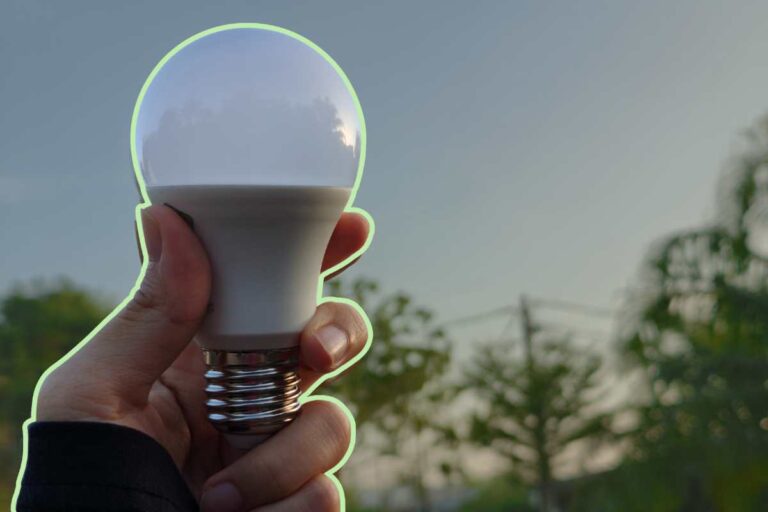
Light here should feel clear and active, like the beginning of a day. Daylight-balanced bulbs help rooms feel bright without harshness.
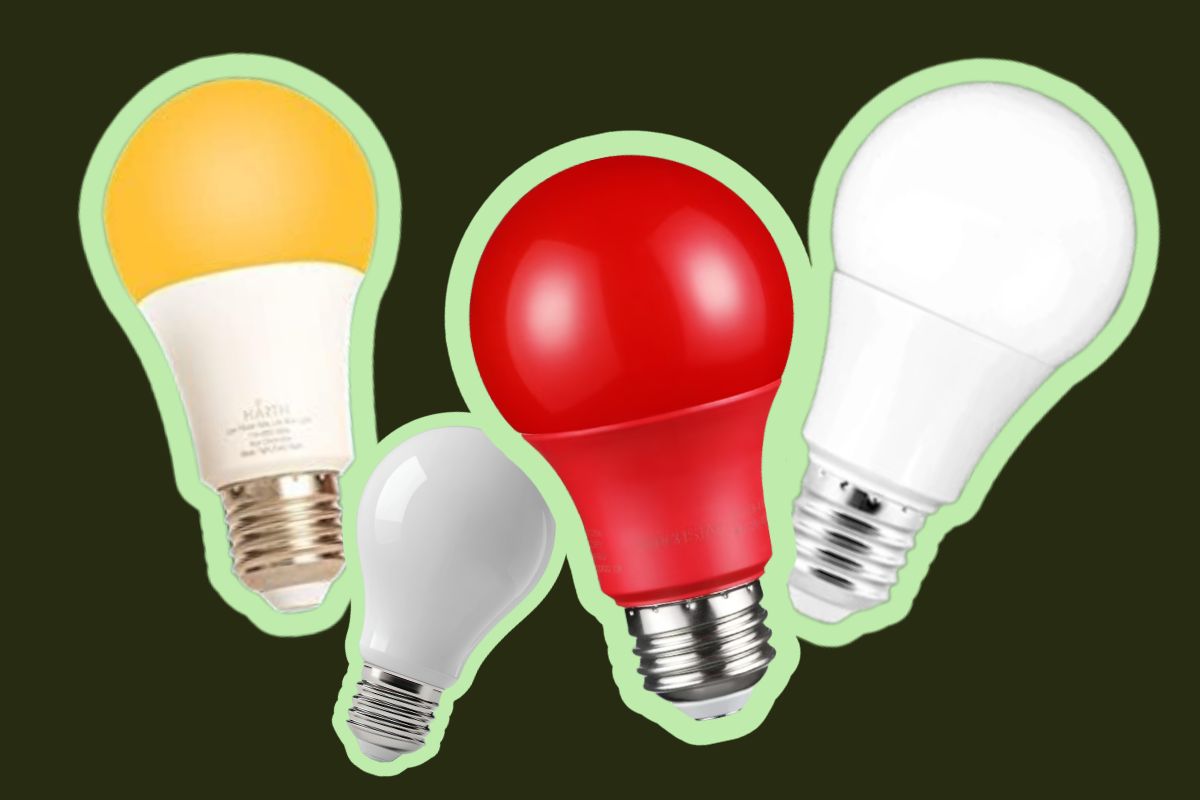
- Full Spectrum Light Bulb — Mimics the changing spectrum of sunlight and supports daytime clarity in shared spaces and work areas.
- Amazon Basics 75W Equivalent Daylight LED Bulbs — Affordable daylight-balanced bulbs (5000K) to help signal daytime in kitchens, offices, and living rooms.
(If you want you could also offer a dimmable 5000K option like …)
- Dimmable 5000K Daylight LED Bulbs — Bright, even lighting that can be softened as daylight wanes, useful if your space transitions into evening activities.
Evening & Transition Spaces (Living Rooms, Hallways)
Evenings favor warmer tones — bulbs that soften without artificial cold brilliance.
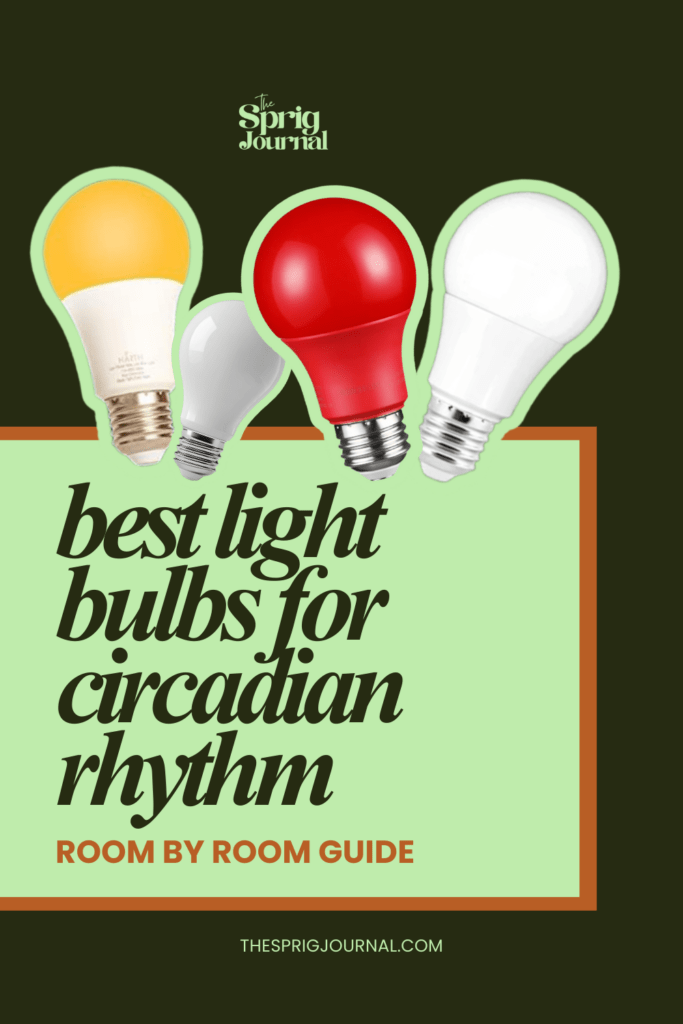
- Harth Sleep‑Shift Sleep Ready Light — A warm amber bulb that reduces blue light and helps rooms feel calm as daylight fades. Great for bedside or living room lamps.
Bedrooms & Pre-Sleep Lighting
Bedrooms and late evening spaces benefit from amber or red-leaning tones that don’t suppress melatonin and allow the nervous system to wind down.
- Circadian Full Spectrum Light Bulb 4‑Pack — While labeled full spectrum, this set also provides a consistent general light choice throughout the home. You could reserve these for general indoor light if you prefer set continuity.
- Anti‑blue Light LED Red Light Bulb — A red-light bulb with minimal blue output for true evening and night use, ideal in bedside lamps or late-evening reading spots.
(Optional: If you want softer amber bulbs that are easier to find on Amazon, you might also include:)
- Amber-toned sleep bulbs like Neporal 1800K Amber Sleep Light Bulbs (search Amazon for this exact phrase)
Nighttime Navigation & Low-Impact Lighting
For middle-of-the-night movement — bathrooms, hallways, or nurseries — very low light that maintains melatonin production is ideal.
- Consider a low-blue night light bulb such as anti-blue/night red LED options (e.g., the red circadian bulb above), or simple amber night bulbs marketed for sleep support. These keep illumination minimal without jolting the internal clock.
(You could link your existing Amazon affiliate version of a low-output amber or red night bulb here.)
How We’re Framing These
These suggestions are not “best ever” picks or a list of trends. They are extensions of the pattern your body already anticipates:
- Daytime wants clarity and intensity
- Evening wants warmth and softening tones
- Nighttime navigation wants minimal disruption
Placing bulbs that match the role of the room through the day helps the internal clock interpret context more accurately.
How to Paste Affiliate Links
For each product above:
- Replace the plain product reference with your actual Amazon affiliate link.
- Keep the anchor text human and descriptive, e.g.,
“Consider this Full Spectrum Light Bulb for morning and daytime areas”
instead of just “buy now.”
This preserves trust while still allowing you to earn.