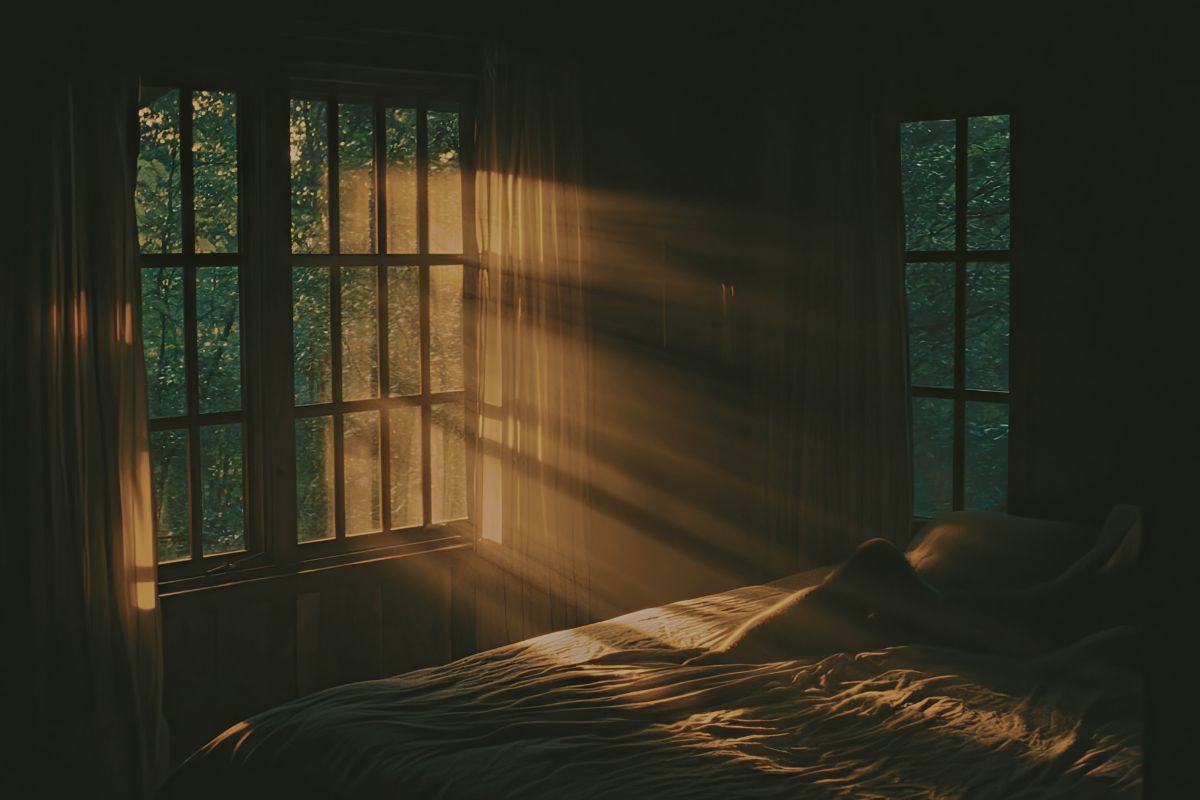
Most days do not begin with an intention to “live circadian.” They begin with light entering a room, or failing to. With the way a morning feels before the mind has fully caught up. With a sense, sometimes faint, of how awake the body is willing to be.
For many people, circadian alignment happens long before it is named. The body responds to light automatically. It adjusts energy, appetite, focus, and mood based on what the internal clock perceives, not on what the schedule demands. This is easy to miss because it does not announce itself. It simply nudges the day in one direction or another.
Over time, a rhythm forms. Morning light arrives and the system begins to stir. Daylight accumulates and the body settles into movement and attention. Evening light softens, and the nervous system starts to look for cues that the day is closing. None of this requires formal rules. It unfolds through exposure, repetition, and the quiet feedback between the body and its environment.
This is how circadian living often takes shape in real daily life. Not through rigid routines, but through noticing. Through paying attention to how natural light changes the tone of a room, the pace of a morning, the feeling of an evening. Through small adjustments made because the body responds well to them, not because they were prescribed.
“The day tends to arrange itself when the light is allowed to lead.”
The Sprig Journal
In that sense, this rhythm is less something that is built and more something that is remembered. The internal clock already knows how to keep time. The work, if there is any, is simply to stop interrupting the signals it has always relied on.
Morning Light as the Day’s First Signal
Morning sets the tone for how the circadian system will interpret the rest of the day. Before habits form and before attention scatters, the body is especially receptive to light cues. This is the moment when timing is established, often quietly, through exposure rather than intention.
What happens in the early hours does not need to be elaborate. Small signals, repeated over time, are enough to orient the system. Morning light is one of those signals. It does not demand effort, only presence.
Movement and Attention in the Early Hours
Light rarely works alone. In the early hours, it pairs naturally with gentle physical activity and a slower quality of attention.
Movement does not need to be structured or intense. A short walk, stretching near a window, or simply moving through the morning without rushing gives the nervous system additional information about time of day. These signals layer together. Light says it is morning. Movement confirms it.
Screens tend to interfere with this process. Bright displays deliver concentrated light at close range, but without the environmental context the body expects. They also pull attention forward, asking the brain to engage before the system has fully settled into wakefulness. Many people notice that mornings feel steadier when stimulation arrives a little later.
These early daily habits shape more than just the start of the day. They influence energy, focus, and emotional regulation well into the afternoon. The wake-up time matters less than the quality of the cues that follow it.
This is easy to overlook because it feels ordinary. The body notices even when we do not.
Daytime Light and the Feeling of Enough
Daytime light tends to be overlooked because it does not announce itself. There is an assumption that once the morning has passed, light no longer matters in the same way. In practice, the circadian system continues to gather information throughout the day, adjusting energy and attention based on what it receives.
When daylight is sufficient, the body often settles. There is a sense of momentum that carries through ordinary daily activities without effort. When it is lacking, the day can feel oddly thin, even when little is technically wrong.
Why Indoor Days Often Feel Flat
Most indoor environments provide far less light than the body expects during daytime hours. Even rooms with large windows tend to deliver only a fraction of the brightness found outdoors. The difference is not subtle to the circadian system, even if it is easy to ignore consciously.
Many living spaces are designed for visual comfort rather than biological signaling. Light is spread evenly, kept soft, and rarely changes in intensity. This works well for screens and tasks, but it gives the body very little information about time of day. Over long stretches indoors, the system struggles to distinguish morning from afternoon.
“Many days are brighter on screens than they are in the room.”
Stepping outside, even briefly, often shifts this. A short walk, standing in open shade, or sitting near a window that actually receives daylight provides much light compared to indoor conditions. These moments accumulate. Windows help, but outdoor exposure does more of the work, especially when repeated across the day.
Energy, Focus, and Mood Across the Day
Daylight supports the chemistry that underlies alertness and emotional steadiness. Exposure to natural light during daytime hours contributes to the regulation of serotonin and dopamine, which play a role in mood regulation, motivation, and cognitive flexibility. This influence is gradual rather than dramatic.
When the circadian system receives enough daylight, energy levels tend to distribute more evenly. Focus holds longer. The sharp rise and fall that leads to afternoon fatigue often softens. This does not eliminate tiredness, but it makes it feel proportional to the day rather than sudden or unexplained.
These patterns matter for mental health, especially across seasons when light availability changes. Daytime light helps reinforce the timing of the circadian rhythm, which in turn supports sleep later on. Over time, this loop influences how the nervous system anticipates rest and activity.
The body does not require constant brightness. It responds to contrast. Clear daytime light followed by a true evening dimness gives the circadian system a rhythm it can follow. When that contrast exists, many people notice that the day feels more complete, and the transition into evening comes more naturally.
Evenings That Allow the Day to Close
Evening is not meant to be productive in the same way morning is. As natural light recedes, the body begins a quiet transition out of outward attention and toward rest. This shift happens whether it is acknowledged or not. When the light is allowed to change, the day often resolves itself without effort.
Rather than treating evenings as something to manage, circadian-aligned living observes them as a narrowing of inputs. Less brightness, less urgency, fewer signals asking the nervous system to stay alert. The body reads these cues as permission.
Softening Light as the Sun Lowers
As the sun moves toward the horizon, light naturally warms and dims. Late afternoon brings longer shadows and gentler contrast, signaling that the most alert part of the day is passing. Mimicking this shift indoors supports the same message.
Warmer lighting in the late afternoon helps reduce visual sharpness and soften attention. Gradual dimming matters more than exact timing. Even small changes — switching lamps on instead of overheads, lowering brightness, allowing rooms to feel less evenly lit — help the body register that the day is changing.
“Evenings change tone when the light does.”
Artificial lighting often works against this process by extending daytime conditions well into the night. Bright, cool light keeps the environment visually active and delays the feeling of closure. Blue light, in particular, holds the nervous system in a state of readiness long after the sun has set.
These shifts do not need to be absolute. The goal is not darkness, but direction — light that clearly moves toward rest rather than holding the day open. (Internal link: Warm vs Cool Light at Night — anchor: evening light rhythm)
Screens, Attention, and Quiet Hours
Screens concentrate brightness and stimulation into a small, close field of view. As an artificial light source, they deliver intensity at a time when the circadian system expects less. This mismatch keeps attention outward and the nervous system alert.
Late scrolling often delays the body’s internal wind-down cues. Even when content feels relaxing, the combination of light, motion, and novelty signals continuation rather than completion. The day does not receive a clear ending.
Reducing screen time in the later hours is less about restriction and more about creating quiet space. When electronic devices are set aside earlier, attention naturally turns inward. Thoughts slow. Sensory input decreases. Sleep arrives with less negotiation.
Evenings do not need to be optimized. They need to be allowed. When light, attention, and stimulation recede together, the body understands that it is safe to let go of the day.
Adjusting for Seasons, Schedules, and Real Constraints
Circadian living does not assume ideal conditions. It evolved in bodies that lived through long winters, unpredictable weather, irregular work, and shifting demands. Modern life adds its own constraints, but the system itself is adaptable. What it responds to most is not precision, but pattern.
Light awareness remains meaningful even when circumstances are imperfect. The body is remarkably good at working with what it’s given, especially when signals are consistent rather than exact.
Winter, Cloudy Days, and Higher Latitudes
In the winter months, daylight shortens, skies soften, and outdoor exposure often decreases without intention. Cloudy days still provide more natural light than indoor spaces, but the overall signal is quieter. For many people, energy, mood, and sleep timing shift accordingly.
In regions with limited winter daylight — or for those especially sensitive to seasonal change — light therapy can offer additional support. Used thoughtfully, it acts as a stand-in for missing morning light rather than a replacement for natural rhythms. This is particularly relevant for those experiencing seasonal affective disorder, where mood and motivation reliably change with the light.
The use of supportive tools does not diminish circadian principles. It reflects an understanding that modern environments sometimes require reinforcement. The goal remains the same: providing the body with a clear sense of day.
(Optional outbound links: NIH on SAD; Harvard Health on light therapy)
Busy Schedules and Night Owls
Not all lives align neatly with the solar clock. Shift work, caregiving, creative cycles, and long-standing chronotypes all shape when light is encountered and when rest arrives. Night owls are not broken clocks — they are expressions of natural variation.
What matters most is not achieving ideal timing, but creating recognizable patterns within a busy schedule. When light exposure, meals, movement, and rest happen in a consistent relationship to waking and sleeping — even if that window is unconventional — the internal clock still finds its footing.
Small changes register. A few minutes of daylight at the beginning of wake time. Softer light before sleep. Repeated cues, gently reinforced.
“The system responds to effort, not perfection.”
Circadian living makes room for real life. It asks only that signals be kind, clear, and repeated often enough for the body to listen.
Circadian Living as an Ongoing Practice
Circadian rhythm is not something to master. It is something shared — a timing system shaped long before modern schedules, carried quietly in every nervous system. The same patterns that once organized days around dawn and dusk still exist, even when they are asked to operate indoors, under artificial light, and across uneven routines.
What the body responds to most is repetition. Signals repeated gently over time begin to feel familiar. Morning light becomes expected. Evenings soften more easily. Energy finds a steadier shape across the day. These shifts often happen before they are noticed. Understanding deepens first, then behavior follows, and only later does the rhythm itself begin to settle.
This is easy to miss. The changes are not dramatic. They show up in small ways — steadier sleep, clearer mornings, fewer moments of internal friction — the kind that are felt more than measured.
“The body learns the day the same way it always has — through light, over time.”
Circadian living remains a relationship rather than a routine. It evolves with seasons, schedules, and stages of life, adjusting as conditions change. The practice is not about control, but about listening closely enough to respond.
For those beginning to explore this more intentionally, understanding the circadian foundations offers a place to orient before anything needs to be changed. (Internal link: Hub — Circadian Living: Where to Begin)
You asked, we answered
Frequently Asked Questions on Light and Timing
These are a few questions people often ask once they begin paying attention to how light shapes the day.
A familiar example is how the body begins to wake before the mind does. Morning light enters the eyes, body temperature starts to rise, and energy gradually becomes available — often before any conscious effort. In the evening, the reverse happens. As light fades, the system prepares for rest. These shifts happen every day, quietly, whether we pay attention to them or not. That ongoing adjustment to light and dark is the circadian rhythm at work in daily life.
Natural light acts as the main timing signal for the circadian system. Morning light helps set the internal clock for the day, while bright daylight supports steady energy, mood, and focus. As light softens later in the day, the body begins to release cues that allow the day to close. When light patterns are clear and consistent, the system keeps time more easily. When they are blurred, the body works harder to interpret the day.
During winter months or in higher latitudes, natural daylight can be limited or arrive later than the body expects. Light therapy can help fill in that missing signal, especially in the morning. Used gently and consistently, it can support wake cycles, mood, and energy when outdoor light is scarce. It works best as a seasonal support rather than a replacement for natural light whenever that is available.