Most people don’t come across circadian rhythm as a concept until something starts to feel a little off. Sleep becomes lighter, or more broken. Energy arrives at strange hours. Mornings feel heavier than they once did, or evenings stretch on without a clear sense of night. These shifts are easy to chalk up to stress, age, or a particularly full season of life. They are also deeply familiar, even to people who have never thought to name them.
Circadian rhythm isn’t a productivity framework or a sleep strategy. It’s the body’s internal clock. A quiet, ongoing relationship with light, time, and the natural light cycle humans evolved alongside. Long before alarms or screens, the human body organized itself around sunrise and sunset. Environmental cues guided hormone levels, temperature, digestion, and rest, mostly without conscious effort.
Daily life now asks the body to keep time under very different conditions. Days often pass indoors, shaped by modern lifestyles and lit more dimly than the sky outside. Evenings extend under artificial light that softens the feeling of night. Screens slip into the small pauses of the day and linger right up until sleep. None of this feels dramatic on its own. Taken together, it leaves the circadian system doing its best without clear signals.
The intention here is simple: to clarify what circadian rhythm actually is, how it functions as an integrated system, and why so many modern patterns interfere with it. Not to prescribe fixes or offer tactics, but to establish shared understanding. Lighting, sleep quality, mood, digestion, and daily energy are not separate concerns. They are downstream expressions of how the body responds to its environment.
For a broader view of how this internal timing system fits into daily life, the larger context of seasonal living and circadian rhythm helps place these patterns back into the environment they evolved within.
Circadian Rhythm Is the Body’s Way of Keeping Time
When people hear the phrase circadian rhythm, it is often reduced to sleep. In reality, circadian rhythms are much broader than a bedtime or a wake time. They are roughly 24-hour biological cycles that help the human body anticipate and organize itself around the passing of each day.
These rhythms are maintained by a network of biological clocks distributed throughout the body. Cells in the brain, liver, digestive tract, muscles, and even the cardiovascular system all keep time in their own way. Together, they form what researchers describe as the circadian system, an internal timing structure that coordinates physiology with the external environment.
At the center of this system is a small but powerful structure in the brain called the suprachiasmatic nucleus, often referred to as the body’s master clock. Located in the hypothalamus, the suprachiasmatic nucleus acts as a central coordinator, helping align the many peripheral clocks throughout the body so they stay in sync with one another.
What matters most is how this clock receives information. The suprachiasmatic nucleus responds to light signals entering the eyes, not to habits, intentions, or social schedules. It uses light to determine the time of day and then sends timing signals outward to regulate hormone release, core body temperature, digestion, heart rate, and patterns of alertness and rest. This process happens continuously, often without conscious awareness.
Because of this, circadian rhythm is not something the body switches on at night and off during the day. It is an ongoing process that influences nearly every major system. The endocrine system adjusts hormone levels based on time of day. The digestive system prepares for food during daylight hours. The cardiovascular system follows daily rhythms in blood pressure and heart rate. All of these processes are guided by circadian timing, even when sleep is disrupted or inconsistent.
Understanding circadian rhythm in this fuller sense helps explain why sleep issues, energy changes, mood shifts, and metabolic concerns often appear together. They are not separate problems, but different expressions of how the body is keeping time.
For a deeper look at the brain’s master clock and how it coordinates the rest of the system, this connects forward to a dedicated exploration of the suprachiasmatic nucleus.
Light Is the Primary Language of the Circadian System
Light is the primary signal the circadian system uses to understand time. In simple terms, lighting affects circadian rhythm by telling the body when day begins and when night should arrive. Long before electric light existed, the human body evolved under patterns of natural sunlight that shifted gradually across the day. Bright mornings, softer afternoons, and true darkness at night provided consistent information the body learned to follow.
This is why morning light matters so much. Exposure to bright light early in the day helps anchor the body clock, reinforcing the timing of the body’s internal clock for the hours that follow. When evening comes and light levels fall, the brain allows melatonin production to begin. Melatonin does not force sleep. It signals night, giving the body time to lower alertness, reduce core body temperature, and prepare for rest.
In modern life, these signals are often mixed. Many people spend mornings indoors under dim lighting, then remain exposed to bright light well into the evening. It can feel normal to sit beneath overhead lights at night or scroll on a screen before bed. The body does not register these choices as neutral. It reads them as light information, using brightness and timing to decide what part of the day it is meant to be in.
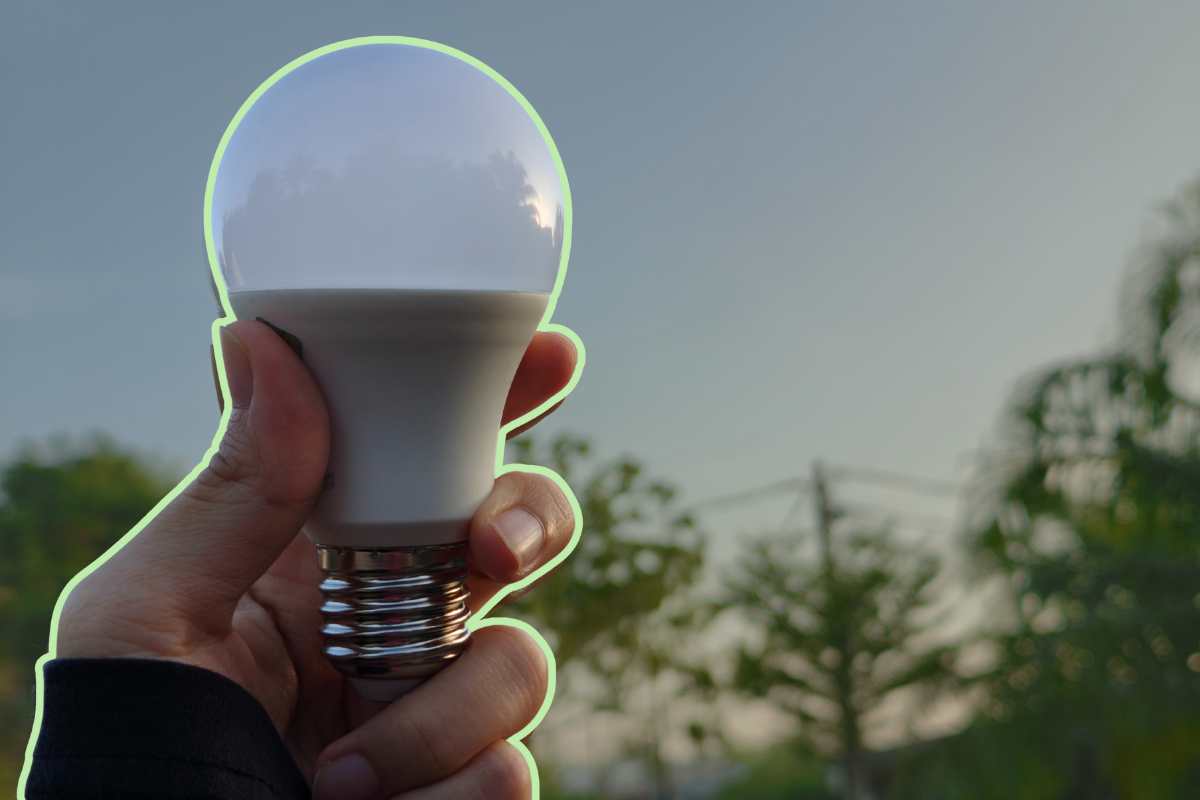
The circadian system responds to light based on intensity and spectrum, not on context. Bright light tells the brain it is daytime, even if that light comes from indoor sources late at night. This is how artificial lighting can shift circadian timing without being noticed. The effect is strongest with blue light, which plays an important role in daytime alertness but can delay melatonin when exposure continues into the evening. Many modern light sources use cool colour temperatures that resemble daylight, extending the biological sense of daytime long after sunset.
Light exposure influences more than sleep signals alone. It shapes hormone levels throughout the day, affects core body temperature, and alters patterns of alertness and fatigue. Over time, these shifts influence how the body feels from morning to night. Energy rises later. Evenings feel wired rather than calm. Sleep arrives later or feels lighter.
Seen this way, lighting is not simply helpful or harmful. It is instructional. Regular exposure to natural sunlight during the day, especially consistent morning sunlight, helps stabilize the circadian system. In the evening, a quieter evening light environment allows the body to transition toward night without resistance.
This understanding forms the foundation for circadian lighting approaches, explored more fully in guides focused on morning light exposure and nighttime lighting choices.
Modern Life Separates the Body From the Signals It Evolved To Read
Modern technologies and lifestyle habits disrupt circadian rhythms by changing when and how the body receives information about time. The circadian system evolved to read environmental signals that were once consistent and predictable. Modern lifestyles have altered those signals in quiet but meaningful ways.
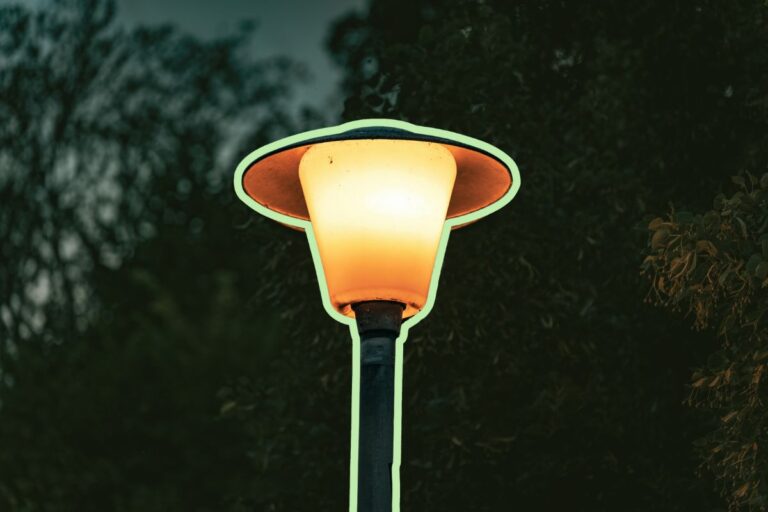
One of the most significant changes is the widespread use of artificial light sources. Electric light extends daytime well into the evening, reducing the contrast between day and night. Instead of darkness arriving naturally, brightness often continues until sleep. To the circadian system, this can feel like a longer day that never clearly ends.
At the same time, daily life has moved indoors. Work, school, and leisure often take place under relatively dim lighting compared to outdoor daylight. Even a bright room provides only a fraction of the light found outside on a clear morning. Over time, reduced daytime light exposure weakens the signals that anchor the body clock earlier in the day.
Electronic devices add another layer of disruption. Phones, computers, and televisions deliver concentrated light directly to the eyes, often during the hours meant for winding down. Extended screen time in the evening can shift circadian timing later, not because screens are uniquely harmful, but because they provide bright, alerting light at biologically confusing hours.
Circadian disruption becomes more pronounced when schedules are misaligned with the natural day. Crossing time zones or experiencing jet lag temporarily separates internal time from local light cues. Working a night shift can create a more persistent form of misalignment, asking the body to stay alert and sleep at times that conflict with its internal timing. For shift workers, this can fragment circadian continuity across days and weeks rather than allowing for recovery.
Social schedules also play a role. Meals, work hours, and social activity often follow external expectations rather than biological timing. Late evenings become normalized. Early mornings remain fixed. The circadian system adapts as best it can, but it does so by stretching rather than resetting.
None of these factors are moral failings or personal mistakes. They are features of modern environments. Taken together, they explain why circadian rhythms are so easily disrupted today, even in people who prioritize sleep and healthy routines. The body continues to rely on signals it evolved to read. The signals themselves have simply become harder to interpret.
For a closer look at how indoor environments affect daytime light exposure, this connects forward to a deeper exploration of indoor lighting patterns. The specific challenges faced by shift workers and others with irregular schedules are addressed in dedicated discussions of circadian health and work timing.
Circadian Disruption Shows Up Long Before It Becomes a Diagnosis
Circadian disruption rarely announces itself clearly. More often, it appears as small changes that accumulate over time. Energy levels rise and fall unpredictably. Mornings feel slow even after a full night in bed. Afternoons bring fatigue or restlessness. Sleep may still happen, but it no longer feels restoring. Many people live with these patterns for years, assuming they are simply part of adulthood or modern life.
Mood often shifts alongside energy. Irritability, low motivation, or a persistent sense of imbalance can emerge without an obvious cause. These experiences overlap with what clinicians describe as mood disorders, though they do not always meet diagnostic thresholds. The circadian system plays a quiet role in emotional regulation, which is why timing disruptions can influence mental health long before they are named or treated.
The digestive system follows its own daily rhythms as well. Appetite, digestion, and metabolic processes expect activity during daylight hours and rest at night. When circadian timing is disrupted, digestion may feel irregular or unpredictable. These changes are often treated as isolated gut issues, even when timing is part of the broader picture.
Seasonal shifts tend to make circadian disruption more noticeable. As daylight shortens and mornings grow darker, energy and mood often change with it. Some people recognize this pattern every winter without ever labeling it. Others experience more pronounced effects that align with seasonal affective disorder. In both cases, reduced light alters circadian timing, influencing sleep, mood, and resilience. Understanding the role of seasonal light shifts helps explain why these changes feel cyclical rather than random.
Clinical categories such as circadian rhythm sleep disorder exist, but they represent one end of a wide spectrum. Many people experience meaningful circadian disruption without ever receiving a diagnosis. In healthcare settings, symptoms are often addressed individually. Sleep concerns are treated separately from mood. Digestive issues are managed without reference to timing. The circadian system itself is rarely named as the common thread.
Seeing these patterns through a circadian and seasonal lens does not mean medicalizing everyday experience. It offers a way to understand why certain challenges return at the same times each year, or why they ease when light and routine change. For many people, this recognition alone brings clarity, long before any formal intervention is considered.
The Circadian System Responds to Patterns, Not Perfection
One of the quiet stresses of learning about circadian rhythm is the sense that it needs to be done correctly. Wake at the right time. Get the light right. Eat, move, and rest on a precise schedule. For many people, this pressure becomes another source of friction, especially when daily life does not allow for consistency.
The circadian system does not require perfection. It responds to environmental cues that repeat over time. Small, steady signals shape timing more effectively than occasional extremes. A single late night or missed morning does not undo the system. What matters is the overall pattern the body experiences in daily life.
Light is one of those signals, but it is not the only one. Movement, meals, and physical activity also help reinforce circadian timing. These inputs work together through feedback loops, giving the body multiple points of reference as it organizes energy, alertness, and rest across the day. When one signal is inconsistent, others often continue to provide support.
Many people notice this in subtle ways. A short walk outdoors helps clear mental fog. Eating earlier in the day improves sleep later on. A regular morning routine, even when imperfect, makes the day feel more anchored. These are not optimizations. They are reflections of how the circadian system responds to repeated experience.
Reconnection happens gradually. The body adjusts through exposure, not instruction. Changes in the external environment, such as more daylight in the morning or quieter evenings, take time to register. This is why circadian alignment often feels less like a switch being flipped and more like a slow return to steadiness.
Understanding this can be relieving. It reframes circadian health as something the body participates in, rather than something that must be controlled. Establishing a daily light rhythm is one example of how gentle, repeatable cues support the system over time, without requiring rigid rules or constant attention.
This perspective creates space for future exploration. Practical approaches to light, movement, and timing work best when they are layered onto real lives, not imposed on them.
Relearning the Day–Night Cycle Is a Form of Modern Literacy
Long before anyone spoke about circadian rhythm, the body already knew what to do. It learned time by watching the sky change. It learned when to rest, when to move, when to eat, and when to be still by responding to the day-night cycle it was born into. This knowledge was never specialized. It was shared. A quiet inheritance shaped simply by living in the natural environment.
Modern life disrupted that inheritance gently, and then all at once. Light became constant. Distance collapsed. Nights grew brighter and louder, while days slowly moved indoors. Most of us didn’t notice the shift as it was happening. We just adapted, the way humans always do.
Now, understanding natural timing asks for a different kind of attention. Not effort or discipline, but awareness. The body still reads time the same way it always has. It still responds to light, darkness, movement, and rest. When we start to notice how deeply timing shapes human health, many things that once felt unrelated begin to organize themselves. Sleep, mood, digestion, energy, and resilience are less like separate issues and more like different expressions of the same rhythm.
Understanding tends to come before change. When the body’s relationship with time becomes clearer, urgency often softens. There is less pressure to fix everything at once. More room to listen. From that place, choices feel less corrective and more conversational, as though the body has been waiting for us to ask what time it is.
Circadian rhythm sits quietly beneath overall health, whether we pay attention to it or not. Learning to recognize it is a kind of modern literacy. One that helps us move through a world very different from the one we evolved in, with a little more steadiness and a little more self-trust.
If you’d like to go deeper, the circadian foundations offer a way to keep orienting yourself, not toward perfection, but toward familiarity. Toward remembering how the body meets the day, and how it always has.