
Modern life asks a lot of the body. We move through our days guided by clocks, notifications, and artificial light, often far removed from the cues that once shaped how people lived. Many of us feel it in subtle ways first. Sleep feels lighter. Energy comes and goes unpredictably. The seasons pass, but they rarely change how our daily life unfolds.
Seasonal living begins with noticing. It is an attentiveness to the natural world and to the shifts that happen across the year, both outside and within us. Light changes. Temperatures rise and fall. Appetite, focus, and energy follow their own quiet patterns. When we allow space for those changes, daily life begins to feel less strained and more steady.
Underlying this way of living is the circadian rhythm, the body’s internal timing system that responds to nature’s rhythms, especially light and darkness. This rhythm influences sleep, energy, mood, and many of the processes that support long-term health. It operates constantly, even when we are unaware of it, shaping how we feel in the present moment.
Living with the seasons does not require stepping away from modern life. It asks for a different quality of attention. Small shifts. An awareness of light, rest, and timing. Over time, these adjustments create a deeper sense of connection to natural rhythms and a steadier relationship with daily life itself.
What Is Seasonal Living?
Seasonal living is the practice of adjusting how we live in response to the changing seasons. It means paying attention to light, temperature, and the time of year, then allowing those shifts to influence daily rhythms, food choices, movement, and rest. At its core, seasonal living follows natural cycles rather than fixed routines that stay the same month after month.
For most of human history, this way of living was simply life. People ate what grew during a particular season, slept in closer relationship to daylight, and adapted their pace as seasonal changes unfolded. Winter invited more rest and preservation. Spring brought renewal and increased activity. Summer centered around abundance and long days, while autumn shifted toward grounding and preparation. These patterns were shaped by the land, climate, and available resources, not by trends or wellness labels.
Seasonal living today does not require recreating the past or following strict rules. It exists on a spectrum. Some people begin by noticing how their energy changes throughout the year. Others adjust meals, daily routines, or time spent outdoors as the light shifts. The common thread is responsiveness — a willingness to live in conversation with the season rather than against it.
This approach often overlaps with sustainable living, not as a lifestyle performance, but as a natural outcome. When daily life reflects the time of year, consumption becomes more intentional, routines feel less forced, and choices tend to support both personal well-being and the environment. Seasonal living offers a way to move through the year with more awareness, steadiness, and respect for the rhythms already present around us.
How Seasonal Living Connects to Circadian Rhythm
Seasonal living and circadian rhythm are often spoken about separately, yet they are deeply connected through light. As the seasons shift, so do daylight hours, altering when the sun rises, how long it stays, and the quality of natural light we receive throughout the day. These changes are not just environmental. They are biological signals.
The circadian rhythm is the body’s built-in timing system. Often described as the body’s internal clock, it helps regulate sleep, energy, hormone release, and countless daily processes. This clock responds most strongly to light, especially morning light, which helps set the timing for the entire day. When light changes with the seasons, the circadian clock adjusts in response.
Seasonal living works because it aligns daily life with this biological reality. Longer days naturally support more activity, social engagement, and later evenings. Shorter days invite earlier rest, slower pacing, and a greater need for warmth and nourishment. These shifts mirror natural circadian rhythms, which evolved in direct relationship with the sun, not artificial lighting or fixed schedules.
When modern routines ignore seasonal changes in light, circadian rhythm can become disrupted. Energy feels misaligned. Sleep quality declines. Seasonal living restores that connection by allowing daily patterns to follow the same light cues the body already uses to regulate itself. In this way, seasonal living is not a philosophy layered on top of health. It is an expression of how the circadian rhythm has always worked.
What Is Circadian Living?
Circadian living is a way of structuring daily life in alignment with the circadian rhythm, the internal system that helps regulate sleep, energy, hormones, and many essential biological processes. This rhythm operates on a roughly twenty four hour cycle and responds primarily to light and darkness.
At the center of this system is the circadian clock, often called the master clock. It lives in a small region of the brain known as the suprachiasmatic nucleus. While the name sounds technical, its role is simple. It receives information about light through the eyes and uses that input to coordinate timing throughout the body. This is how the body clock knows when to promote alertness, when to support rest, and how to organize daily internal functions.
One of the most noticeable ways the circadian rhythm shows up is through the sleep and wake cycle. As natural light fades in the evening, the body begins melatonin production, a hormone that supports sleep and nighttime repair. In the morning, exposure to light helps lower melatonin and raise cortisol levels, which support alertness, focus, and the ability to engage with the day. This daily rise and fall is meant to be predictable and responsive to light, not forced by schedules alone.
Circadian living supports this system by working with timing rather than against it. Light exposure earlier in the day, dimmer evenings, consistent sleep timing, and daily rhythms that respect rest and activity all help stabilize the circadian clock. When this rhythm is supported, the body tends to feel more settled. Energy becomes steadier, sleep deepens, and daily life feels less reactive.
Circadian living is not a rigid set of rules. It is an awareness of how the body already functions and a willingness to structure daily patterns in ways that allow the circadian rhythm to do its job.
A Real-Life Example of Circadian Rhythm in Daily Life
A familiar example of circadian rhythm can be seen in how the body responds to light across a typical day. In the morning, exposure to morning sunlight helps signal wakefulness. Eyes register the increasing light, and the body begins shifting out of sleep mode. Alertness improves, reaction time sharpens, and energy levels start to rise without conscious effort.
As the day continues, energy often reaches its natural peak around the middle of the day. Focus feels easier. Physical activity tends to feel more accessible. This part of the sleep cycle is supported by daylight and regular movement, both of which help reinforce the body’s internal timing.
In the evening, the process gradually reverses. As light fades and indoor spaces become dimmer, the body begins preparing for rest. Muscles relax, body temperature lowers slightly, and the nervous system shifts toward calm. When this transition is allowed to unfold naturally, it supports deeper rest and more consistent deep sleep overnight.
Seasonal changes influence this rhythm in noticeable ways. During the winter months, shorter daylight hours often bring earlier sleepiness and a need for more rest. In summer, longer days can support extended activity and later evenings. These differences are not flaws or inconveniences. They reflect the way the circadian rhythm adjusts in response to seasonal light, helping the body adapt to the time of year.
This daily pattern is one of the clearest examples of how circadian rhythm operates in real life. When light, activity, and rest follow a natural progression, the body responds with greater ease. Circadian rhythm does not need to be managed or optimized. It simply needs space to respond to the light and darkness it has always relied on.
How to Live in Line With the Seasons
Living in line with the seasons begins with small, observable adjustments rather than dramatic changes. The goal is to allow daily life to respond to shifts in light, temperature, and energy in ways that feel supportive and realistic.
Seasonal Daily Routines
Seasonal shifts naturally influence daily routines and how energy unfolds throughout the day. During winter, darker mornings often invite a slower start. Waking with softer light, easing into movement, and allowing mornings to unfold more gently can help the body transition into the day without strain. Evenings tend to arrive earlier as daylight fades, making earlier rest feel more natural.
As the seasons change, flexibility becomes important. Summer often supports longer days and later evenings, while autumn and winter encourage quieter rhythms. Allowing daily activities to adjust across the year creates space for a steady daily practice that honors both productivity and rest, rather than holding one rigid schedule year-round.
Seasonal Foods and Eating Patterns
Eating with the seasons is one of the most tangible ways to live in alignment with natural cycles. Seasonal foods reflect what the body often needs at different times of year. In colder months, meals tend to center around root vegetables, soups, and slow-cooked foods that feel grounding and supportive of the immune system. Warmer seasons naturally invite lighter meals, fresh produce, and cooling foods.
Shopping at farmers markets or choosing foods grown closer to home can help reconnect eating habits with the time of year. This approach does not require perfection. It begins with awareness and a willingness to notice how different foods feel in different seasons.
Outdoor Time and Movement
Time spent outdoors helps anchor seasonal living in the body. Exposure to fresh air, changes in temperature, and natural light supports both physical and mental well-being. Seasonal movement does not need to be intense. Walking, stretching, gardening, or simply spending time outside allows the body to stay connected to environmental cues.
In colder months, physical activity may feel slower and more restorative. In warmer seasons, energy often supports longer or more active movement. Allowing movement to reflect the season helps maintain consistency without forcing the body into patterns that feel mismatched.
Living in line with the seasons develops over time. Through attention to routines, food, and time outdoors, daily life begins to follow a rhythm that feels steady, responsive, and deeply rooted in the natural world.
How to Live According to Your Circadian Rhythm
Living according to your circadian rhythm centers on timing. Light, rest, and activity all send signals to the body’s internal clock, shaping the sleep–wake cycle over time. Small, consistent adjustments tend to have the greatest impact.
Morning Light Is Foundational
Exposure to morning sunlight early in the day plays a key role in setting the circadian rhythm. Light received first thing in the morning helps signal that the day has begun, guiding alertness, focus, and energy as the hours unfold. Natural light is especially effective because it contains a full spectrum that the body recognizes more easily than indoor lighting.
This exposure matters even on cloudy days. Outdoor light remains significantly bright compared to indoor environments, and consistent morning exposure helps stabilize the body clock across seasons. Stepping outside shortly after waking, opening curtains fully, or spending time near a window can all support this process.
This section naturally leads into a deeper exploration of morning light habits and will later link to your Morning Sunlight Rituals post.
Artificial Light and Evenings
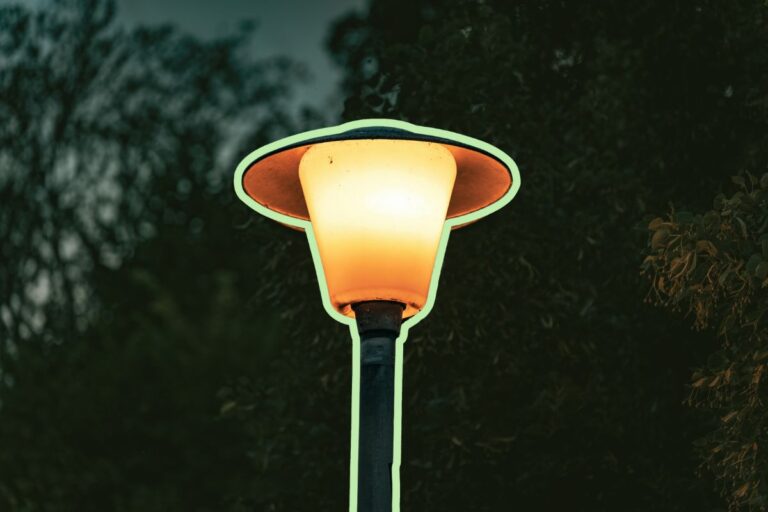
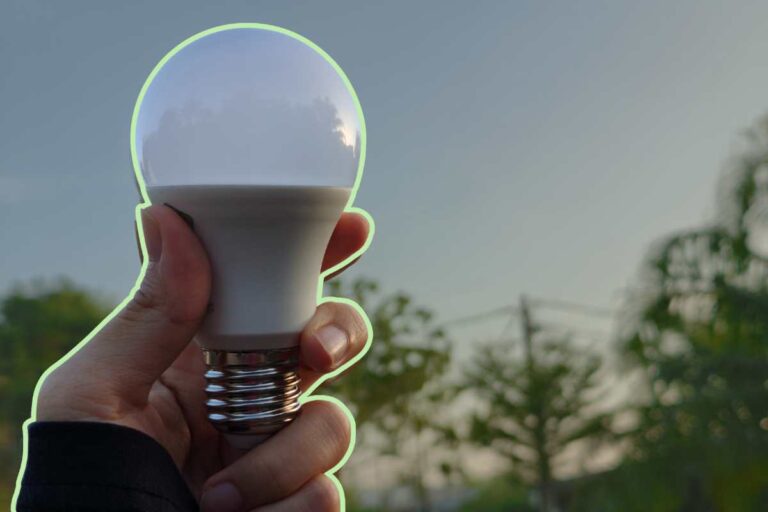
As the day moves toward evening, light becomes just as influential. Artificial lighting after sunset can interfere with the body’s natural wind-down process, particularly when it includes high levels of blue light. Screens, overhead lights, and certain light bulbs can signal alertness at a time when the body is preparing for rest.
Evening lighting that is warmer, dimmer, and more intentional allows the circadian rhythm to shift toward sleep readiness. Simple changes, such as lowering overhead lights, using lamps, or choosing bulbs designed for evening use, help reduce circadian disruption without requiring drastic lifestyle changes.
This is where internal links to your Best Light Bulbs post and Evening Lighting Mistakes post will fit naturally.
Sleep and Consistency
Circadian rhythm thrives on consistency. Going to bed and waking up around the same time each day helps reinforce the sleep–wake cycle, making it easier to fall asleep and wake naturally. A consistent sleep schedule supports deeper rest and steadier energy, even when life feels unpredictable.
When sleep timing shifts frequently, the body clock can struggle to adjust, often affecting sleep quality and increasing the likelihood of sleep deprivation. Supporting circadian rhythm does not require perfection. It benefits from patterns that repeat gently over time, allowing the body to anticipate rest and wakefulness with greater ease.
This section creates a natural pathway toward deeper conversations around sleep, evening routines, and seasonal rest patterns.
Benefits of Seasonal and Circadian Living
When daily life aligns more closely with seasonal and circadian rhythms, the body often responds with greater stability. These benefits tend to build gradually, showing up in subtle but meaningful ways that support overall health.
One of the most noticeable shifts is sleep. Supporting natural light exposure, consistent timing, and evening wind-down allows the body to move more smoothly through the sleep cycle. Over time, this can lead to improved sleep quality and more restorative rest, rather than fragmented or restless nights.
Energy often follows. When daily timing aligns with light and darkness, energy levels become steadier across the day. Focus feels more available, and the rise and fall of alertness feels less abrupt. This steadiness supports cognitive function, particularly during daylight hours when the body is naturally primed for engagement and learning.
Seasonal and circadian living also supports the nervous system. Predictable rhythms help the body shift more easily between activity and rest, reducing the sense of constant stimulation that is common in modern life. This regulation plays a role in both mental health and mental well-being, influencing mood, stress response, and emotional resilience over time.
Immune health is closely tied to sleep, light exposure, and daily rhythms. Supporting circadian timing helps regulate processes involved in immune function, allowing the body to allocate energy toward repair and defense when it is most effective. These systems do not operate in isolation. They depend on rhythm and consistency to function well.
These benefits do not arrive through rigid adherence or perfection. They emerge through alignment. Seasonal and circadian living offer a framework that allows the body to work as it was designed to, responding to light, rest, and time with greater ease and balance.
External link placement note (optional)
- Link sleep quality or circadian rhythm and sleep to Cleveland Clinic’s overview of sleep and circadian rhythm
Are There Downsides to Seasonal Living?
Seasonal living exists within the realities of the modern world, and it does come with challenges. Not every schedule or life circumstance allows for perfect alignment with natural rhythms, and that does not make the approach inaccessible or unrealistic.
One common limitation is shift work or jobs with nontraditional hours. Working overnight or rotating schedules can create circadian disruption, especially when light exposure and sleep timing change frequently. In these situations, seasonal living may require adaptation rather than full alignment. Supporting rest when possible, managing light intentionally, and prioritizing recovery become more important than following seasonal cues exactly.
Modern schedules and social obligations can also create tension. School calendars, work demands, travel, and evening commitments often operate independently of daylight and seasonal shifts. Seasonal living within these structures looks less like adherence and more like awareness. Recognizing where friction exists allows for small, supportive adjustments rather than rigid expectations.
Seasonal changes in light can affect mood and energy, particularly during darker months. Seasonal affective disorder is a well-recognized response to reduced daylight and altered circadian timing. In these cases, tools like light therapy can be helpful. Using light intentionally is not a failure of seasonal living. It is a way of working with circadian biology in environments where natural light exposure is limited.
Seasonal living isn’t focused on removing modern constraints, but responding thoughtfully to them. The goal is not perfection or purity, but a relationship with rhythm that remains supportive, flexible, and realistic across different seasons of life.
Why Seasonal Living Matters More in the Modern World
The pace of modern life has changed faster than the body has. Artificial environments now shape much of daily experience, often overriding the signals that once guided rest, movement, and attention. Light no longer fades when the sun sets, and stimulation rarely pauses long enough for the nervous system to settle.
Artificial lighting plays a central role in this shift. Overhead lights, screens, and illuminated spaces extend daytime well into the evening, blurring the boundary between day and night. When light exposure no longer reflects the sun, the body receives mixed signals that can lead to circadian rhythm disruption, affecting sleep, energy, and mood over time.
Beyond light, constant stimulation fills the spaces where quiet once lived. Notifications, background noise, and the expectation of availability keep the mind engaged long after the body is ready to rest. This ongoing activation makes it harder to sense the natural rise and fall of energy that follows the seasons.
Seasonal living offers a way back into relationship with the natural world, even within modern structures. It reintroduces contrast between light and dark, activity and rest, fullness and quiet. These distinctions help the body recognize timing again, allowing natural rhythms to re-emerge beneath the noise of daily life.
In a world designed for consistency and output, seasonal living restores variability. It reminds us that change across the year is not something to overcome, but something the body expects. This awareness creates space for rhythms that support steadiness, resilience, and long-term well-being.
A Slower Way Forward
Seasonal living does not begin with sweeping changes. It often starts with small adjustments that feel almost ordinary. Noticing when light enters a room. Stepping outside for a few minutes. Choosing rest when the body asks for it. Each simple act creates space for awareness, and awareness is where change takes root.
This way of living unfolds as a practice rather than a destination. There will be seasons that feel aligned and others that feel uneven. What matters is the willingness to keep listening. Seasonal living is not about mastering routines or managing the body. It is about allowing rhythm to re-emerge through attention and patience.
Over time, these choices foster a deeper connection to both the natural world and to daily life itself. The body begins to recognize familiar cues again. Energy feels less forced. Rest feels more available. These shifts happen quietly, shaped by repetition rather than effort.
In a culture that often values speed and control, seasonal living offers a wonderful way to move differently. It invites a steadier pace, one guided by light, time, and the rhythms that have always been present. The path forward does not need to be optimized. It simply needs to be lived.
INTERNAL LINKING RULES FOR THIS POST
- Link out to 5–7 supporting posts
- Use descriptive anchor text (not “click here”)
- Add reciprocal links back to this post from all cluster posts
You asked, we answered
Seasonal Living & Circadian Rhythm FAQ’s
Here are quick answers to common questions, streamlined for clarity.